

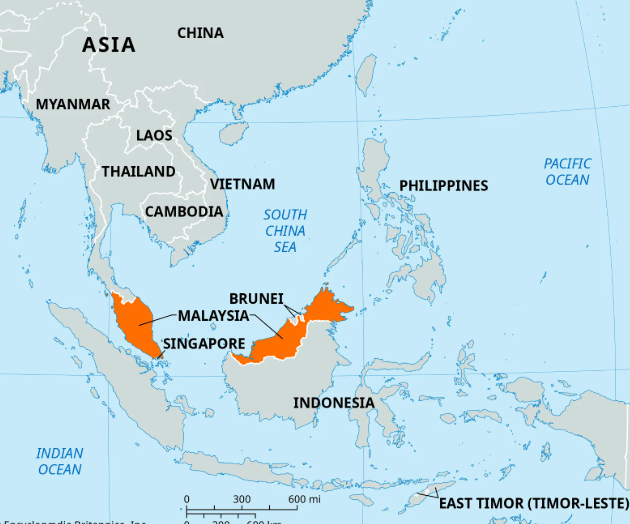
This post highlights five FCPA enforcement actions (ranging from the largest FCPA settlement of all-time to one of the first FCPA enforcement actions in 1978) concerning conduct (in whole or in part) in Malaysia.
The enforcement action (the largest FCPA settlement in history) concerned bribes to various Malaysian and Abu Dhabi officials in connection with 1Malaysia Development Berhad (1MDB), Malaysia’s state-owned and state-controlled investment development company.
The same core conduct was also at issue in the 2018 FCPA enforcement action against Low Taek Jho (Jho Low), Ng Chong Hwa (Roger Ng – a former managing director at Goldman Sachs), and Tim Leissner (the former Southeast Asia Chairman at Goldman Sachs and Participating Manager Director). Leissner pleaded guilty and was sentenced in 2025 to 2 years in prison . In 2022, Ng was found guilty at trial of FCPA and related offenses and was sentenced to 10 years in prison. Jho Low remains a fugitive.
The enforcement action concerned conduct in China, India, Thailand, Laos, Indonesia, Bosnia, Vietnam, Malaysia, Croatia, Serbia, Slovenia, Slovakia, Iran, Saudi Arabia, Libya, Syria, the United Arab Emirates, Mauritania, Congo, Niger, Madagascar, and Turkey.
As to Malaysia, the allegations stated: ““[Between 2000 to 2007] TFS Malaysia [an indirect wholly owned subsidiary of Tyco] used intermediaries to pay the employees of its customers when bidding on contracts. Payments were made to approximately twenty-six employees of customers, and one of those payees was an employee of a government-controlled entity. TFS Malaysia inaccurately described these expenses as ‘commissions’ and failed to maintain policies sufficient to prohibit such payments. As a result, Tyco’s books and records were misstated. Tyco’s benefit as a result of these illicit payments was $45,972.”
The enforcement action concerned conduct in Costa Rica, Honduras, Malaysia, Taiwan, Kenya, Nigeria, Bangladesh, Ecuador, Nicaragua, Angola, Ivory Coast, Uganda and Mali.
As to Malaysia, the allegations stated that “in at least 17 instances in or around 2004 to in or around 2006, Alcatel Malaysia [a joint venture in which Alcatel owned a majority share of and exercised control of] employees, with the consent and approval of Alcatel Malaysia’s management, such as Executive 2 [Alcatel Malaysia’s Country Senior Officer] and Executive 3 [Alcatel Malaysia’s Chief Financial Officer], made improper payments to Telekcom Malaysia [an alleged state-owned and controlled telecommunications provider in Malaysia responsible for awarding telecommunications contracts 43% owned by the Malaysian Ministry of Finance] employees in exchange for nonpublic information relating to ongoing public tenders.” The allegations further stated that Alcatel Standard entered into a consulting agreement for more than $500,000 with a Malaysian consultant even though “Alcatel typically paid its agents and consultants commission rates based on the total value of a contract rather than pay a fixed fee for services.” “At the time the payments were made to Malaysian Consultant 1, Alcatel Malaysia and Alcatel Standard were aware of a significant risk that Malaysian Consultant 1 would pass on all or a part of these payments to foreign officials.”
The enforcement action concerned conduct in China, Korea, Malaysia and the United Arab Emirates.
As to Malaysia, the allegations concerned conduct with individuals associated with Petronas (an alleged state-owned or state-controlled enterprise in Malaysia).
The SEC filed a civil injunctive action against Page Airways and various individuals alleging that Page and the individual defendants “engaged in a scheme to sell Gulfstream II aircraft and other aircraft, products and services by, directly and indirectly, making payments to foreign government officials and employees and other corrupt, illegal, improper or unaccountable payments.” The SEC complaint specifically referenced payments to, among others: “Gaya House Sendirian Berhad” and entity controlled by “Datuk Harris bin Mohammad Salleh” who, during the relevant time period, was “State Minister of Industrial Development” for the “State Government of Sabah, Malaysia.”
