

FCPA Flash Podcast – A Conversation With Jonathan Rusch Regarding DOJ Policy
The FCPA Flash podcast provides in an audio format the same fresh, candid, and informed commentary about the Foreign Corrupt Practices Act and related topics as readers have come to expect from written posts on FCPA Professor.
This FCPA Flash episode is a conversation with Jonathan Rusch (former official in the DOJ fraud section, former in-house FCPA counsel at Wells Fargo, and current a principal at DTG Risk & Compliance). During the podcast, Rusch discusses his 2016 published open memo to the DOJ for how it can do its job better and discusses recent events such as the DOJ abandoning its prior formal compliance counsel position, the DOJ’s new monitor policy and the DOJ’s “anti-piling” on policy.
Principal Deputy Assistant AG Cronan Delivers Yet Another FCPA Speech
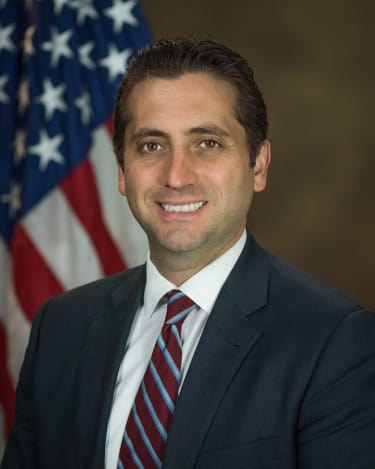
On October 18th, Principal Deputy Assistant Attorney General John Cronan delivered a speech in Brazil at an event hosted by a for-profit business that generally charges people to attend (see here for the prior post). On October 25th, Cronan delivered another speech in Washington, D.C. at another event hosted by the same for-profit business.
Why DOJ (and SEC) officials allows themselves to be used in such a way by profit-seeking businesses to drive attendance to their events is beyond me. (See prior posts here and here, among many others, for why the selling of FCPA enforcement attorneys needs to stop).
Ethics aside, in his speech Cronan talked about the DOJ’s priorities with respect to corporate enforcement, what the DOJ expects “from companies who choose to voluntarily self-disclose misconduct and seek to cooperate with law enforcement,” and the DOJ’s “commitment to reaching fair and equitable resolutions, including through the principles reflected in the Criminal Division’s policy with respect to monitors.”
DOJ Recognizes “The Need For Better Defined ‘Rules Of The Road’ In Corporate Enforcement

Yesterday, Principal Deputy Assistant Attorney General John Cronan delivered this FCPA speech in Brazil.
In the speech, Cronan stated that the DOJ recognizes “the need for better defined ‘rules of the road’ in corporate enforcement” and that the DOJ “has taken affirmative steps to make our prevailing ‘rules of the road’ as plain and predictable as possible” citing as evidence, among other things, the DOJ’s November 2017 Corporate Enforcement Policy (CEP). (See here for numerous prior posts).
In honor of the start of the basketball season, I call a time out – a full time out!
Obvious Parallels To Certain FCPA Enforcement Actions In The SEC’s Recent Report Of Investigation

I’ve long believed that in certain instances, the SEC should use its Section 21(a) report of investigation powers to address emerging Foreign Corrupt Practices Act issues rather than bring an actual enforcement action.
Recently the SEC did just that in this report “regarding certain cyber-related frauds perpetrated against public companies and related internal accounting controls requirements.”
As highlighted below, in the report the SEC cites FCPA legislative history, prior SEC FCPA guidance, and otherwise takes positions in the report that seemingly undermine its internal controls enforcement theories in many traditional FCPA enforcement actions involving alleged foreign bribery.
More On The DOJ’s New Monitor Policy

As highlighted in this prior post, DOJ Assistant Attorney General Brian Benczkowski recently announced a new DOJ monitor policy via this written memo titled “Selection of Monitors in Criminal Division Matters.”
The memo is not Foreign Corrupt Practices Act specific, but FCPA relevant as it establishes “standards, policy, and procedures for the selection of monitors in matters being handled by Criminal Division attorneys” and “shall apply to all Criminal Division determinations regarding whether a monitor is appropriate in specific cases and to any deferred prosecution agreement (“DPA”), non-prosecution agreement (“NPA”), or plea agreement between the Criminal Division and a business organization which requires the retention of a monitor.”
Before diving into the specifics of the memo, it is important to note the following.