

Lifecore Resolves FCPA Enforcement Action Regarding Wastewater Issues In Mexico
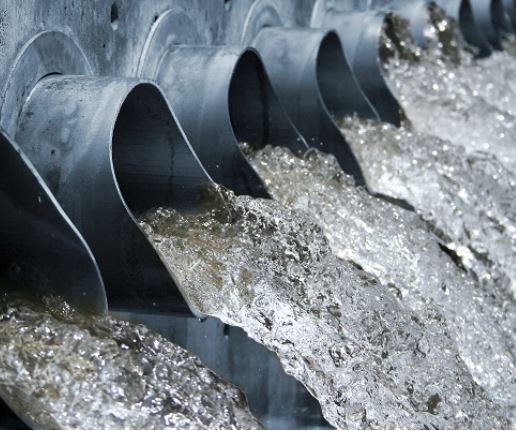
Yesterday, the DOJ released this so-called “declination with disgorgement” letter regarding Lifecore Biomedical, Inc. (f/k/a Landec Corporation) in connection with alleged Foreign Corrupt Practices Act violations involving wastewater issues in Mexico.
Pursuant to the letter agreement, Lifecore agreed to “disgorge” $406,505 in “costs avoided” (which of course is an interesting spin on disgorgement which is traditionally understood to mean relinquishment of unjust gains).
The letter agreement states in full:
An FCPA Related Feeding Frenzy

When making a decision whether to voluntarily disclose Foreign Corrupt Practices Act issues, corporate leaders need to understand the full range of ripple effects that will likely occur upon disclosure. (See here for the article “FCPA Ripples”).
One should not just look at the supposed reduction in an FCPA settlement amount and narrowly conclude that the company benefited from the voluntary disclosure. Such a narrow view fails to take into account the many other ripple effects resulting from the disclosure.
These pages have long highlighted that one ripple effect of FCPA scrutiny and enforcement is FCPA-related shareholder litigation and this post discusses what happened to Landec Corporation after it disclosed an FCPA investigation on January 2, 2020.
No DOJ FCPA Enforcement Action For Uber

As highlighted in this previous post, in mid-2017 Uber came under Foreign Corrupt Practices Act scrutiny.
The company disclosed: “We received requests from the DOJ in May 2017 and August 2017 with respect to an investigation into allegations of small payments to police in Indonesia and other potential improper payments in other countries in which we operate or have operated, including Malaysia, China, and India.”
Earlier today, Uber disclosed: