

Analysis of the New FCPA Guidelines Buries the Lead: Why We Can Expect Spikes In US-Company Whistleblowing

A guest post from T. Markus Funk and the Hon. Virginia M. Kendall.
The U.S. Department of Justice’s updated FCPA guidelines, released June 9, mark a high-profile strategic shift in enforcement priorities. The bulk of the law firm commentary has focused on internal compliance and investigation, suggesting that the FCPA enforcement under the Trump Administration may not be as dead as initially thought. And that is entirely reasonable, as far as it goes.
However, as detailed in a recent Law360 analysis, a less-discussed, yet arguably equally significant, implication of the new guidelines is the potential spike in U.S. companies reporting corrupt practices by foreign competitors.
Paying Whistleblowers In UK Criminal Cases – Why The US Model Won’t Work in the UK Legal System.

A guest post from Judy Krieg. Krieg is currently a partner at DLA Piper and previously served as a Joint Head of Fraud, Bribery, and Corruption at the UK Serious Fraud Office. Her experience also includes being an enforcement lawyer at the UK Financial Services Authority (now the Financial Conduct Authority) handling criminal and regulatory matters and in-house experience, including as Chief Compliance Officer of Rolls Royce plc and Willis and in other compliance roles at Microsoft and Red Robin Gourmet Burgers.
The UK Serious Fraud Office (SFO) is suggesting that the UK should “follow the US” and find a way to pay whistleblowers in corporate criminal cases. But the UK is not the US. The complexities of dealing with – much less paying – monies in corporate criminal cases are clear from US and UK experience. I know this first-hand from the Rolls-Royce plc (RR) investigation (resulting in 18 criminal charges resolved through DPAs with the US Department of Justice (DOJ) and SFO), as well as the Red Robin Gourmet Burgers (RRGB) SEC investigation in the US.
FCPA “Tips” Continue To Be A Minor Component Of The SEC’s Whistleblower Program

The Dodd-Frank Act enacted in July 2010 contained whistleblower provisions applicable to all securities law violations including those under the Foreign Corrupt Practices Act.
In this prior post from July 2010, I predicted that the whistleblower provisions would have a negligible impact on FCPA enforcement. As noted in this prior post, my prediction was an outlier (so it seemed) compared to the flurry of law firm client alerts predicting that the whistleblower provisions would have a significant impact on FCPA enforcement. Many FCPA Inc. participants seemed so eager for a marketing opportunity to sell compliance services, that some even called the generic whistleblower provision the FCPA’s “new” whistleblower provisions.
Whatever your initial view was on how the whistleblower provisions may impact FCPA enforcement, it was previously noted that the best part of the whistleblower provisions was that its impact on FCPA enforcement could be monitored and analyzed because the SEC is required to submit annual reports to Congress.
Another Day, Another DOJ Speech
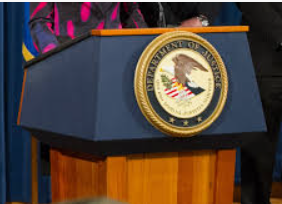
It is September which means enforcement agency officials hit the “conference circuit” to give scripted speeches.
Last week it was DOJ Principal Deputy Assistant Attorney General Nicole Argentieri delivering a speech to a corporate compliance audience in New York (see here for the prior post), yesterday it was Argentieri delivering a speech to a corporate compliance event in Texas.
Argentieri began:
DOJ Principal Deputy Assistant AG Argentieri Speaks On The DOJ’s Corporate Whistleblower Awards Pilot Program

It is September which means enforcement agency officials hit the “conference circuit” to give scripted speeches.
Yesterday, it was DOJ Principal Deputy Assistant Attorney General Nicole Argentieri who delivered this speech at a corporate compliance event focused on the “newest tool in the Justice Department’s corporate enforcement toolbox: The Criminal Division Corporate Whistleblower Awards Pilot Program.”