

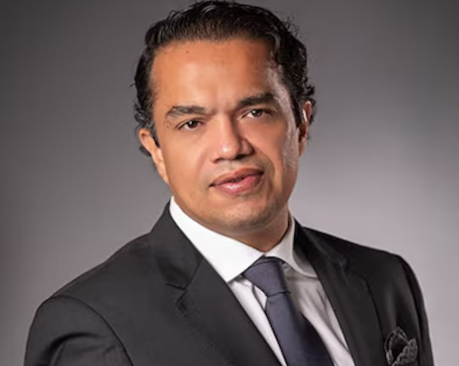
This prior post highlighted a recent DOJ FCPA enforcement action concerning an alleged bribery scheme in Mexico.
The indictment charges Ramon Alexandro Rovirosa Martinez (a citizen of Mexico and a lawful permanent resident of Texas) and Mario Alberto Avila Lizarraga (a citizen of Mexico and lawful permanent resident of Texas) for their roles in an alleged bribery scheme to retain and obtain business related to Petróleos Mexicanos (PEMEX), the state-owned oil company of Mexico, and PEMEX Exploración y Producción (PEP), PEMEX’s wholly owned exploration and production subsidiary.
Last week, Rovirosa’s attorneys (Ryan McConnell, Matthew Boyden, and Lawrence Finder – all former DOJ prosecutors) filed a motion to strike the DOJ’s reference (not in the indictment, but in a separate motion) to Rovirosa being associated with Mexican cartels. The motion stated:
“This motion focuses on the government’s effort to use improper court filings to unconstitutionally prejudice and disparage Mr. Rovirosa with gossip and unsubstantiated information suggesting that because he owns a plane and associates with other wealthy Mexicans in Houston, Texas, he is part of a violent Mexican drug cartel.”
Yesterday, defense counsel filed a motion to dismiss the indictment which touches upon similar themes. It begins as follows:
“This motion focuses on the tipping point where a criminal case must be dismissed based on the government’s outrageous, intentional, and unconstitutional actions in violation of the Fifth and Sixth Amendment. The government turned their weak oil and gas Foreign Corrupt Practices Act (“FCPA”) case into a violent Mexican drug cartel case with a false narrative to make politicians happy and gain an unfair advantage. Prosecutors created this story by filing a false document in the Court’s record and then using that document to label Mr. Rovirosa a violent Mexican drug cartel associate across global news organizations, in violation of his constitutional rights. Mr. Rovirosa cooperated during the government’s investigation. He is an innocent man. The government’s novel effort to weaponize political messaging and fear against a defendant to tip the scales in their favor at trial is without modern precedent. This motion tells that story and explains why the prosecutors’ conduct must result in dismissal of their Indictment. This case pits politics, racism, and unethical prosecutors against the Constitution.”
As stated in the motion:
After a longstanding effort to cooperate with the government’s investigation, including meeting with prosecutors and voluntarily permitting the search of his office, Mr. Rovirosa was arrested on a Sunday morning, August 10, 2025, in The Woodlands, while taking his kids to a football event. Authorities initially detained his son, then arrested both Mr. Rovirosa and his wife.
Authorities arrested Mr. Rovirosa and his wife on their street, in plain view of their surprised and fearful neighbors. Mrs. Rovirosa was handcuffed and then released. This was not nearly the worst of it. When he appeared in Court the next day, after sitting in general population overnight at the federal detention center in Houston, Mr. Rovirosa learned that the government had publicly labeled him a violent drug cartel member and told the world he has no ties to the city where he has lived the last 16 years, trying to link him to both the cartel and immigration narratives. He was shocked. He had never heard this before in his life, not in any meetings and interactions with the government, not once. No one had.
The Rovirosa family lived the American dream, coming to the United States legally, working in the oil and gas community, building a business with hundreds of employees in Mexico, accumulating wealth, and becoming a pillar of The Woodlands community. Mr. Rovirosa fled Mexico in 2009 after a violent kidnapping and traveled to Mexico over the next 16 years on discreet trips to visit his businesses. Home for the Rovirosa family is The Woodlands, where they have built a life with their children, are heavily involved in football (the American kind), and become adored members of the Mexican American community. With three U.S. citizen children, a citizen wife, and Mr. Rovirosa on the cusp of citizenship, they are more than the model American family. They are a model Houston family, where diversity and culture differences are celebrated.
The government took that away in an instant. Not with their Indictment (which has its own fatal legal deficiencies), but with deliberate and unethical misconduct necessary to bring their indictment. A community that Mr. Rovirosa helped build over the last 16 years now wants nothing to do with him as a cartel associate. Everywhere he goes, people question his relationship with cartels and terrorists. Not only did the government make Mr. Rovirosa a social pariah and destroy his business but based on their own narrative about the violent nature of drug cartels, the government has also placed Mr. Rovirosa’s life in danger. Mr. Rovirosa will now face danger the rest of his life traveling to and from Mexico from rival drug factions, who may view him as a threat.
The U.S. government has effectively given a man the Constitution presumes innocent, and with the weakest of FCPA cases, a potential violent death sentence. Mr. Rovirosa, who was on the verge of citizenship until the government interceded and blocked his efforts, is now an international pariah, designated a member of a terrorist organization. All done without a trial, without an indictment, and only using an unlawful court document that the prosecutors needed to file to ensure their bosses at the DOJ falsely believed they were following what the President and Attorney General wanted.
Mexican drug cartels are blamed for virtually every problem impacting U.S. society. They caused the fentanyl crisis. They traffic humans, rape children. They murder and pillage. They have been branded terrorist organizations with threatened (and actual) military action. They are the reason for high tariffs with Mexico. Cartels are part of the reason for the immigration problems as they help migrants cross the border. Pick a problem with this country, and you can likely find some nexus to the violent Mexican cartels. For most Americans, the boogie man of the Mexican drug cartel is a faceless or masked person seen on social media or in the news with weapons, drugs, dead bodies, or engaged in some other illicit activity. Only high-level leaders are unmasked and treated as enemies of the state. When the government publicly identified Mr. Rovirosa as a violent associate of a Mexican drug cartel, it provided a new face for cartels with the public and potential jurors: Mr. Rovirosa.
Through their actions, prosecutors have made the cartel narrative unwinnable for the defendant. This case has fatal legal deficiencies, in addition to being unprovable; but even assuming a trial, Mr. Rovirosa will now have to address this issue with the jurors in voir dire, contend with it as part of the trial (explaining why the prosecutors would bring a “cartel” FCPA case to the petit panel) and challenge the “cartel” investigation when questioning witnesses (it is the reason prosecutors brought this case). He must prove the unprovable (a negative), that he is not a member of a cartel, because the government put it out there with their landmine filing and globally distributed false story. They have forced Mr. Rovirosa to put on a cartel case; shored up their weak FCPA text message case by painting Mr. Rovirosa as a supervillain and making him prove he is not. Moreover, the constitutional infirmity of prosecuting Mr. Rovirosa based on his skin color and nationality to inform a cartel narrative cannot stand. Successful selective prosecution claims are the exception, not the rule, but this case was also an exception to DOJ policy by invoking “cartels” using prosecutorial misconduct. […] The stain of the “cartel” brand will never totally wash away, either in the trial, or in the public, and the only appropriate remedy here is dismissal.
Prosectors could not bring their shoddy oil-and-gas case to the DOJ press office— it did not fit within the guidance, and it was not provable. They had to create a new narrative. The needed a Mexican, brown-colored boogie man to prosecute, so they unethically and unlawfully created one, in violation of the Fifth and Sixth Amendment— applying the FCPA with “an evil eye and unequal hand.” […] The problem for the prosecution, as Dr. King wrote, “evil carries the seed of its own destruction.”
There are no cases directly on point with these facts, because there has never been a case where the government has ordered the prosecution of individuals that fit within a particular stereotype and race, against the background of massive government raids and arrests of undocumented immigrants, all focusing on one type of race and ethnicity. Prosecutors then filed a misleading and improper court document in order to issue a press release categorizing a bunch of text messages as a violent cartel case, poisoning jurors and creating an unfair trial advantage. This confluence of forces—daily media attention on cartels and bad faith government action to smear a defendant as a violent cartel supervillain—created uncurable due process and Sixth Amendment violations. This case may be unprecedented, but the remedy is not; egregious, outrageous, and bad faith government misconduct must be addressed by dismissal as set forth below.”
