

Insight On The Pintado Matter
This post is from Andrew Feldman (Feldman Firm PLLC).
Since President Trump issued the Executive Orders “pausing” the enforcement of the FCPA, lots of large law firms decried the potential end of the FCPA and worried that there would be a steep decline in FCPA investigations and prosecutions. Attorney General Pam Bondi had also emphasized that the FCPA should be used to prosecute narcotraffickers, not foreign nationals engaged in extraterritorial conduct which poses no threat to American interests.
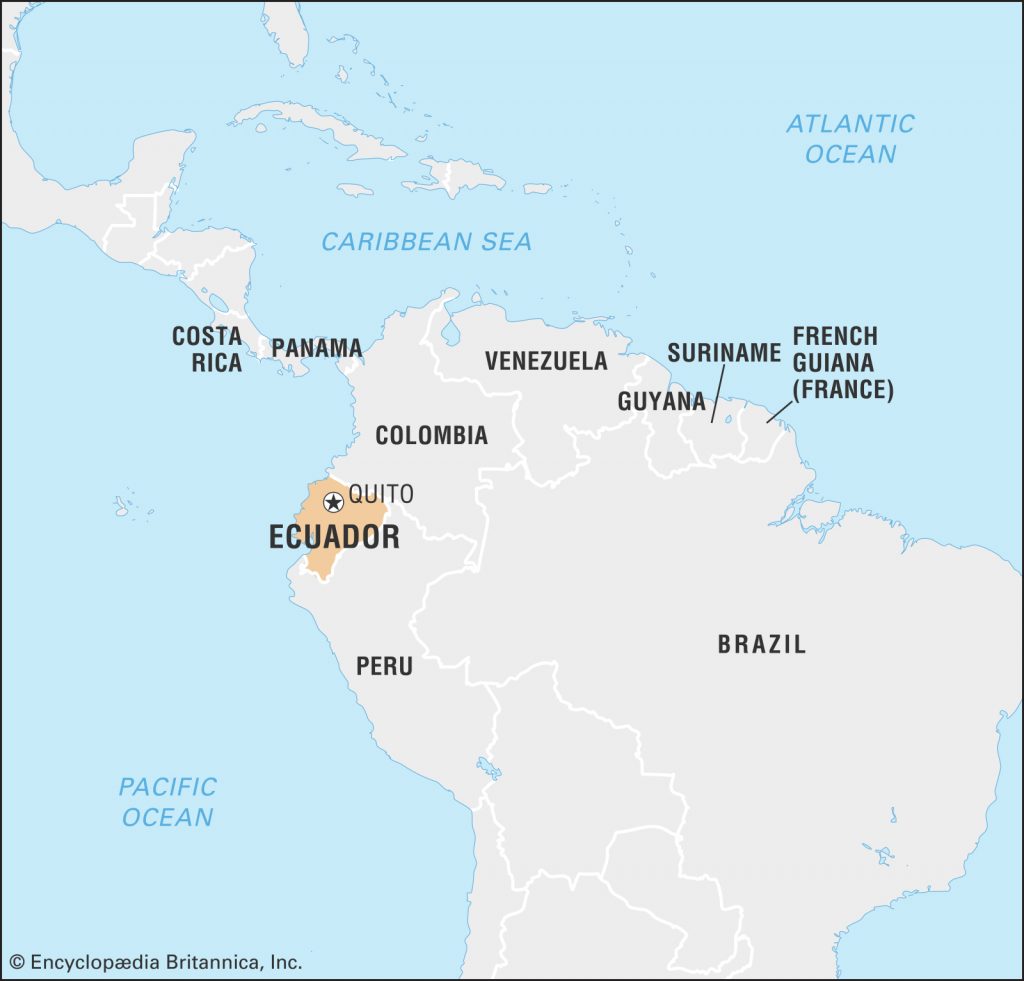
In mid-March of this year and in the heart of this FCPA pause panic, the government travelled to Costa Rica to extradite the Firm’s client, Cristian Patricio Pintado Garcia. Mr. Pintado is an Ecuadorian national with no status in the United States who had been indicted in 2022 for violations of the FCPA and money laundering. Mr Pintado had been languishing in a Costa Rican prison since August of last year when he was arrested shortly after traveling from Ecuador.
Fifth Circuit’s Nullification Of Dismissal In Rafoi And Murta Reaffirms The Importance Of Preparing For FCPA Trials

A guest post from Andrew Feldman (The Feldman Firm PLLC which represents foreign nationals in FCPA cases and investigations with a focus on South America and Spain and recently represented Venezuelan nationals in an FCPA trial and is lead counsel in FCPA cases involving South American nationals including in Peru and Ecuador.).
Venezuela continues to be an attractive target for federal prosecutors investigating bribery and corruption. And, most, if not all, defendants in Venezuela FCPA cases have plead guilty opting against a trial. Months ago though, in a series of surprising opinions (here and here), a federal judge dismissed all counts in an indictment in a complex Foreign Corrupt Practices Act or “FCPA” and money laundering case involving Venezuela and Petroleos De Venezuela, SA (or PDVDSA). The defendants who benefitted from those dismissals were a Swiss national, Daisy Teresa Rafoi Bleuler, and a Swiss/Portuguese national, Paulo Jorge Da Costa Casquiero Murta.
Perplexed II

FCPA Inc. is an active group of writers. Give them a development and the ink starts flowing. This is a good thing.
However, as highlighted in this recent post some FCPA commentary regarding recent developments has been perplexing.
As highlighted below, I continue to be perplexed by certain FCPA commentary.
This law firm alert regarding the Second Circuit’s recent Hoskins decision (see here) is titled “Second Circuit Presents U.S. Companies Historic Opportunity to Defend Against FCPA Liability.” Query how the Second Circuit’s determination whether the government provided sufficient evidence at trial of agent / agency (a term / concept always in the FCPA – that the parties agreed should be interpreted pursuant to its common law meaning) provides a “historic opportunity” to defend FCPA cases?
Perplexed
I am perplexed by some commentary regarding the Second Circuit’s recent decision in U.S. v. Hoskins (see here for the prior post).
For instance this law firm publication suggests that the Second Circuit limited the reach of the FCPA’s anti-bribery provisions.
This law firm publication states that the Second Circuit issued a decision regarding the scope of the FCPA.
Neither of these assertions are true.
First, some background.
Second Circuit – Once Again – Sides With Hoskins On FCPA Issue
To call U.S. v. Hoskins a long-drawn out Foreign Corrupt Practices Act enforcement action would be an understatement.
In 2013, the DOJ criminally charged Lawrence Hoskins (a United Kingdom national and former senior vice president for the Asia region for France-based Alstom) with conspiracy to violate the FCPA’s anti-bribery provisions among other charges. (See here for the prior post). The conduct at issue alleged occurred between 2002 and 2004.
Unlike certain of his co-defendants who pleaded guilty, Hoskins put the DOJ to its burden of proof and at the trial court level argued in a motion to dismiss that the FCPA charges should be dismissed “on the basis that [the indictment] charges a legally invalid theory that he could be criminally liable for conspiracy to violate the FCPA even if the evidence does not establish that he was subject to criminal liability as a principal, by being an “agent” of a “domestic concern.” (See here for the prior post).