

Rovirosa Found Guilty Of Various Counts At Bizarre Trial
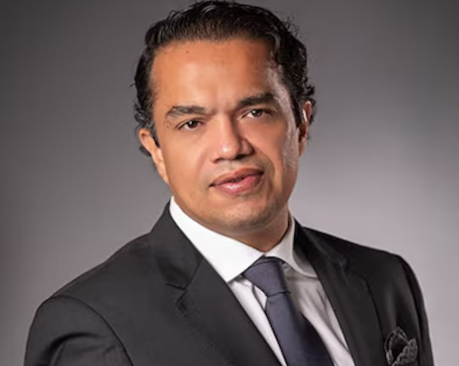
In August 2025, the DOJ announced a Foreign Corrupt Practices Act enforcement action concerning an alleged bribery scheme in Mexico. (See here for the prior post).
The indictment charged Ramon Alexandro Rovirosa Martinez (a citizen of Mexico and a lawful permanent resident of Texas) and Mario Alberto Avila Lizarraga (a citizen of Mexico and lawful permanent resident of Texas) for their roles in an alleged bribery scheme to retain and obtain business related to Petróleos Mexicanos (PEMEX), the state-owned oil company of Mexico, and PEMEX Exploración y Producción (PEP), PEMEX’s wholly owned exploration and production subsidiary.
What’s Wrong With Calling Out False Narratives?

Earlier this week, at FCPA Inc.’s annual “dog and pony show,” Deputy Attorney General Todd Blanche reportedly stated:
“If folks in this room are going to be honest brokers when counseling clients, posting on LinkedIn or writing client alerts, the public narrative should match the private one. If you publicly claim we are not enforcing white-collar crime aggressively enough, but privately insist that your clients are the victims of overreach, we notice that inconsistency,” Blanche told hundreds of lawyers gathered outside Washington for a conference on the Foreign Corrupt Practices Act.
“It’s remarkable how some members of the white-collar bar seem to have an endless stream of clients who are each coincidentally victims of supposed overreach or weaponization, but still publicly draft client alerts suggesting that the department is not prioritizing white-collar cases,” Blanche said. “Such a statement is wrong. White-collar cases are a significant priority for President Trump, for the attorney general and for the department.”
False Or Misleading Snippets

For sixteen years and running, I have run searches for Foreign Corrupt Practices Act content every day, seven days a week, 365 days a year.
The amount of false or misleading FCPA information is rather astonishing – particularly when one considers much of it is published by individuals who portray themselves as FCPA experts or are paid journalists often with “mainstream” media outlets.
Often what makes the information false or misleading is lack of context including awareness that what may seem “new” has been occurring for quite some time, but now is apparently a big deal perhaps to advance some narrative.
Hey Look – Another FCPA Enforcement Action

Foreign Corrupt Practices Act enforcement is dead.
The Trump administration has abandoned FCPA enforcement.
Who is left to “defend” the FCPA?
Blah, blah, blah, blah, blah.
Yesterday, Millicom International Cellular S.A. (“Millicom”) (a Luxembourg headquartered company with principal executive offices in Doral, Florida) announced that its subsidiary “Comunicaciones Celulares S.A. (“Comcel”), has reached an agreement with the U.S. Department of Justice (“DOJ”) to resolve an investigation concerning historical improper payments made to Guatemalan government officials.”
The settlement amount is $118.2 million and the enforcement action is the third DOJ corporate enforcement action of 2025 – exceeding the number of DOJ corporate enforcement actions in 2015 and 2021. (See here).
Has The FCPA Been Successful In Achieving Its Objectives

A reboot of a post from several years ago upon the 40th anniversary of the Foreign Corrupt Practices Act.
With the FCPA approaching 50, the question remains the same: has the FCPA been successful in achieving its objectives?
The article can be downloaded here and the abstract is set forth below.
Do read the article and answer the question for yourself.