

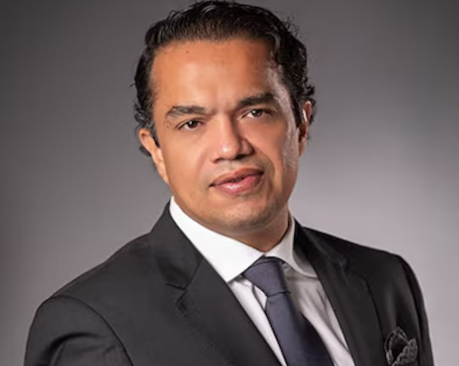
Last month, Ramon Alexandro Rovirosa Martinez was found guilty after a bizarre trial of various charges in connection with an alleged Mexican bribery scheme.
As reported here: “the US corruption trial of Mexican businessman Ramon Alexandro Rovirosa Martinez featured no fact witnesses, which led the judge to block the government from introducing most of its evidence until their closing argument.”
Last month, Rovirosa filed a motion for a judgement of acquittal and with that motion still pending, last week Rovirosa filed a “Motion to Dismiss Case with Prejudice Based on the Court’s Supervisory Powers.”
In summary fashion the motion states:
Mr. Rovirosa moves this Court to use its supervisory powers to protect the integrity of the federal courts and prevent the Court from making itself an accomplice in the willful disobedience of the law. See United States v. Bundy, 968 F.3d 1019 (9th Cir. 2020). This motion is based on the Government’s misconduct in the prosecution and trial of Mr. Rovirosa.
Mr. Rovirosa submitted the issue of dismissal of the Indictment based on prosecutorial misconduct prior to trial in his first Motion to Dismiss Indictment. The court denied the motion without any discussion of the Government’s misconduct in issuing a press release linking Mr. Rovirosa to Mexican cartel shortly after Mr. Rovirosa’s arrest. Since the trial is now concluded, it is even clearer that the Government’s conduct in using the press to portray Mr. Rovirosa as a cartel member prevented Mr. Rovirosa from having a fair trial. In addition to this, the Government attorneys in this case (1) made misrepresentations to the Court and/or to the jury that willfully mispresented both the record and the legal standards; (2) failed to provide evidence to defense counsel, and (3) failed to present any witnesses at trial with actual knowledge of the facts. Even more alarming, the case was under the legal supervision of a Department of Justice supervisory attorney, who apparently allowed such conduct to occur.”
